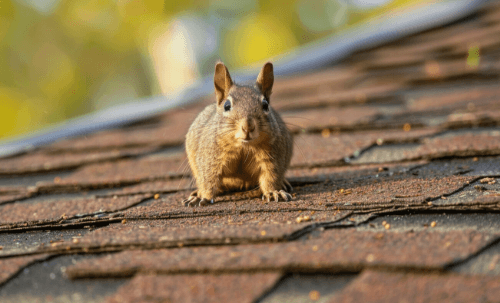

Most homeowners think about storms, age, and sun exposure when they picture roof damage. Animal activity usually comes later, if it comes up at all. That is a mistake. Birds, squirrels, raccoons, and other small animals can do real harm to roofing materials, especially when they find a weak point and keep returning to it. What looks minor from the ground can turn into a leak, damaged decking, ruined insulation, or an entry point into the attic.
That is one reason homeowners start looking into roof repair brigham city after noticing torn shingles, bent vents, or strange sounds above the ceiling. Animal-related damage often builds gradually. A roof may not fail in one dramatic moment. Instead, it gets picked at, lifted, scratched, or chewed until water finally gets a clear path inside.
Why Animals Target Roof Areas
Animals usually go after the parts of a roof that are already easier to get into. They are not picking random spots. A loose soffit, a lifted shingle edge, an older vent cover, or a small gap near flashing can give them a place to start. Those areas offer more shelter and are easier to work at than the open sections of the roof.
Squirrels tend to focus on places they can chew or widen. That often includes roof edges, vents, and trim that have already started to wear down. Raccoons are rougher and can do more damage in less time. If they find a weak spot, they may pull at shingles or tear into the roofline to get inside. Birds usually create problems in another way. They build nests in tucked-away areas, and those spots can trap moisture or block the flow of water.
Once an animal decides a roof is useful, the damage tends to continue. It is rarely a one-time scratch or small disturbance. Repeated movement in the same area wears down materials and exposes areas the roof needs to keep sealed.
The Roofing Materials Most Likely to Be Affected
Shingles are usually the first material to show signs of trouble. Animal claws can scrape protective surfaces, and lifted tabs are easier for wind-driven rain to get under. If an animal keeps pulling at the same section, shingles may loosen or crack. That problem is worse when the roof is already older or brittle.
Flashing is another common trouble spot. Animals do not need to destroy metal flashing to create a problem. They only need to bend it slightly, separate it from the surrounding materials, or disturb the seal around it. Once that happens, water can start working into the gap during rain.
Vent covers, ridge areas, soffits, and fascia boards are also vulnerable. These parts often sit at transition points where the roof system meets airflow openings or trim details. If an animal chews through a vent screen or pulls at a roof edge, the problem can quickly move beyond the outer surface. Moisture, pests, and outdoor air can all enter areas that should remain protected.
How Small Damage Turns Into a Leak
Animal damage on a roof does not always look serious right away. One shingle might be lifted a little at the corner, or a vent cover may look slightly out of place. From the yard, that can be easy to dismiss. The trouble is that a roof does not need a large opening to start taking on water. A small shift in one area can be enough.
Once rain gets under loosened materials, the problem can spread below the surface. Water may reach the underlayment and then keep working into the wood beneath it. Over time, the decking can weaken, nails may stop holding as firmly, and insulation can stay damp longer than expected. When a stain finally shows up on a ceiling, the damage has often been building for a while.
These situations can also be misleading because the leak is not always coming from the place a homeowner expects. It is easy to blame general roof wear when moisture starts showing up indoors. Sometimes the real issue is one area near a vent or roof edge that has been scratched, pulled, or loosened by animal activity.
Signs the Damage May Be Animal Related
Some clues are easier to connect than others. Scratching, movement, or thumping sounds overhead are obvious warning signs. So are visible nests, torn vent screens, or pieces of roofing material found below the roofline. But there are quieter signs too.
Shingles that look out of place in one concentrated area deserve attention. Soffit panels that appear loose or bent can also suggest intrusion. Staining near upper walls, musty attic smells, damp insulation, or small daylight openings in attic spaces may all point to animal entry and the roof damage that came with it.
It is also worth paying attention to patterns. Storm damage usually appears after a weather event. Animal damage often worsens in the same spot over time. If a repair keeps failing in the same area, something may still be causing it.
Why Repair and Prevention Need to Happen Together
Repairing the roof alone usually does not solve the problem if the animal can still get back in. A patch may hold for a while, but the damage often returns when the same opening is left exposed. That is why the repair has to go beyond the surface. The damaged section needs attention, but the access point has to be sealed.
In some cases, that means replacing shingles that were pulled loose. In others, it may involve tightening flashing, fixing soffit sections, or replacing damaged vent covers. It is also important to check what is happening beneath the surface, since moisture can reach the decking or insulation before anyone notices it inside. Many homeowners find that roof repair brigham city is less about covering up one damaged spot and more about fixing the area that made the roof vulnerable to begin with.
See also: Energy-Efficient Home Improvement Projects
A Problem Worth Catching Early
Animal activity is easy to dismiss until the roof starts leaking or the attic becomes accessible. By then, the repair is usually more involved than it needed to be. A roof that gets regular attention stands a much better chance of avoiding that kind of escalation.
When shingles are disturbed, flashing is bent, or roof edge materials are pulled loose, the damage rarely stays cosmetic. Water follows. The longer it is left alone, the more expensive the correction tends to become. Catching those signs early can keep a manageable repair from turning into a larger roofing and interior problem.

 By
By

 By
By