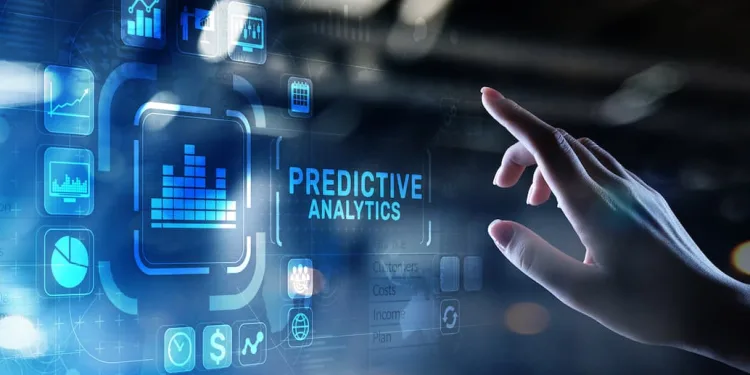

Retail success is rarely accidental. Behind every well-timed promotion, fully staffed store, and high-performing season lies one critical capability: foresight. While many retailers still react to demand as it happens, data-driven leaders are shifting toward prediction. By analyzing historical traffic patterns captured through a footfall counter and interpreting them using retail analytics software, retailers can forecast future performance with far greater accuracy.
Predictive presence is about being ready before customers arrive and history is the most reliable guide.
Why Forecasting Matters in Modern Retail
Seasonality has always influenced retail, but today’s market is far more volatile. Consumer behavior changes rapidly due to economic conditions, digital influence, and shifting lifestyles. Relying on last-minute adjustments leads to missed opportunities and operational stress.
Forecasting enables retailers to:
- Prepare inventory in advance
- Optimize staffing levels
- Plan marketing campaigns more effectively
- Reduce waste and stockouts
A footfall counter provides the historical data foundation, while retail analytics software transforms that data into forward-looking insights.
Understanding Historical Footfall Data
Historical footfall data shows how customers have interacted with a store over time. It highlights patterns that repeat year after year often with surprising consistency.
Using a footfall counter, retailers can track:
- Seasonal peaks and slow periods
- Day-of-week traffic trends
- Hourly traffic fluctuations
- Event-driven surges
When analyzed through retail analytics software, these patterns become predictive indicators rather than retrospective reports.
From Past Patterns to Future Predictions
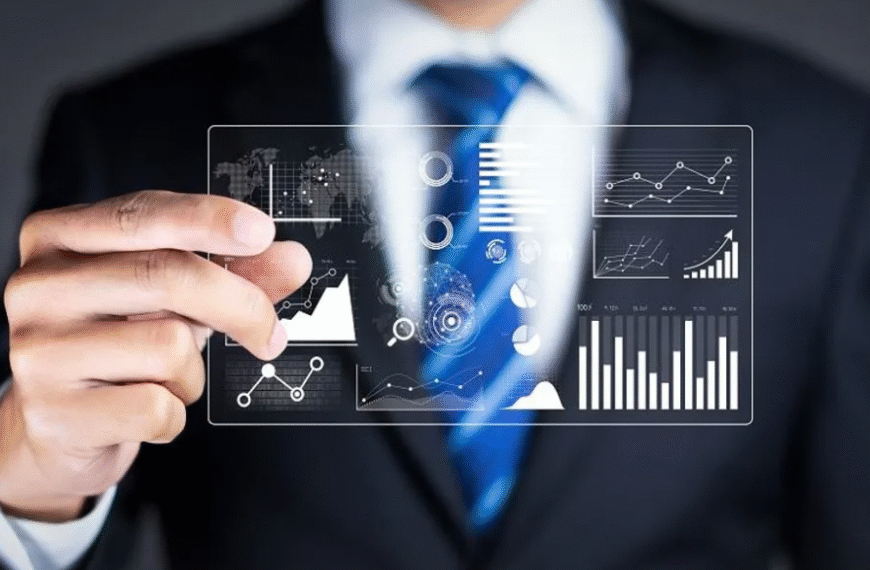
The real power of historical footfall lies in its predictive value. Retail analytics software uses past data to model expected traffic for upcoming seasons, adjusting for variables like growth trends or previous campaign performance.
For example:
- A consistent holiday traffic spike suggests higher staffing and inventory needs
- Repeated mid-season dips may indicate overstock risk
- Event-driven traffic from previous years can guide promotional timing
This predictive approach allows retailers to plan confidently instead of reacting under pressure.
Improving Inventory Planning with Footfall Insights
Inventory planning often fails when demand is misjudged. Overstock ties up capital, while understock leads to lost sales. Historical data from a footfall counter helps align inventory levels with expected customer volume.
With retail analytics software, retailers can:
- Correlate footfall trends with past sales
- Forecast product demand by season
- Adjust assortment depth based on expected traffic
- Reduce end-of-season markdowns
Inventory decisions grounded in footfall history are more resilient and profitable.
Staffing Forecasts That Match Demand
Staffing is one of retail’s most complex forecasting challenges. Seasonal surges, holidays, and promotions can overwhelm stores if not planned properly. Historical footfall data provides clarity.
By combining footfall counter data with retail analytics software, retailers can:
- Predict peak staffing requirements
- Schedule experienced staff during high-traffic periods
- Reduce overstaffing during predictable lulls
- Improve employee workload balance
This results in better service, lower labor costs, and healthier teams.
Predicting Campaign and Promotion Performance
Marketing effectiveness improves dramatically when tied to traffic forecasts. Historical footfall shows which campaigns actually drove store visits, not just online engagement.
Using retail analytics software, retailers can analyze:
- Traffic uplift from past promotions
- Seasonal campaign effectiveness
- Footfall-to-conversion relationships
- Best-performing campaign windows
Armed with these insights, marketing teams can design future campaigns with higher confidence and ROI.
Adapting to Changing Consumer Behavior
While patterns repeat, they also evolve. Retail analytics software helps identify trend shifts by comparing historical footfall across multiple years.
Retailers can spot:
- Gradual traffic growth or decline
- Shifts in peak shopping hours
- Changes in weekend vs. weekday behavior
- Emerging seasonal patterns
A footfall counter ensures these changes are captured early, enabling proactive strategy adjustments.
Multi-Store Forecasting at Scale
For multi-location retailers, forecasting becomes even more complex. Different regions experience different seasonal influences. Centralized retail analytics software allows brands to forecast at both macro and micro levels.
Benefits include:
- Location-specific traffic forecasts
- Regional campaign planning
- Standardized performance benchmarks
- Smarter resource allocation across stores
The footfall counter ensures consistent data collection, while analytics software ensures consistent decision-making.
Measuring Forecast Accuracy Over Time
Prediction is only valuable if it improves over time. Retailers can validate forecasts by comparing predicted footfall against actual results captured by the footfall counter.
With retail analytics software, they can:
- Measure forecast accuracy
- Refine predictive models
- Identify unexpected deviations
- Improve planning confidence season after season
Forecasting becomes a learning system, not a one-time exercise.
Conclusion: Let History Lead the Future
Predictive presence is about anticipation, not assumption. Retailers who use historical data from a footfall counter and apply intelligence through retail analytics software gain a powerful advantage: readiness.
By forecasting demand, staffing, inventory, and campaign performance, retailers stop reacting to seasons and start mastering them. In an industry where timing defines success, history isn’t just a record—it’s a roadmap.
Frequently Asked Questions (FAQs)
1. How does historical footfall help forecast future retail performance?
Historical footfall reveals repeatable traffic patterns that retail analytics software uses to predict future demand accurately.
2. Is a footfall counter essential for forecasting?
Yes. A footfall counter provides accurate, long-term traffic data that forms the foundation of reliable forecasting models.
3. Can retail analytics software predict seasonal demand?
Absolutely. Retail analytics software analyzes past seasonal footfalls to forecast traffic, staffing, and inventory needs.
4. How far back should historical footfall data go?
Ideally, retailers should analyze at least 12–24 months of footfall counter data to capture seasonal cycles and trends.
5. Does predictive footfall analysis work for small retailers?
Yes. Even small retailers benefit from forecasting using footfall counter data, helping them plan smarter and reduce risk.


 By
By



 By
By